Playing our part in the story of the Theatre Royal Haymarket
4 August 2026
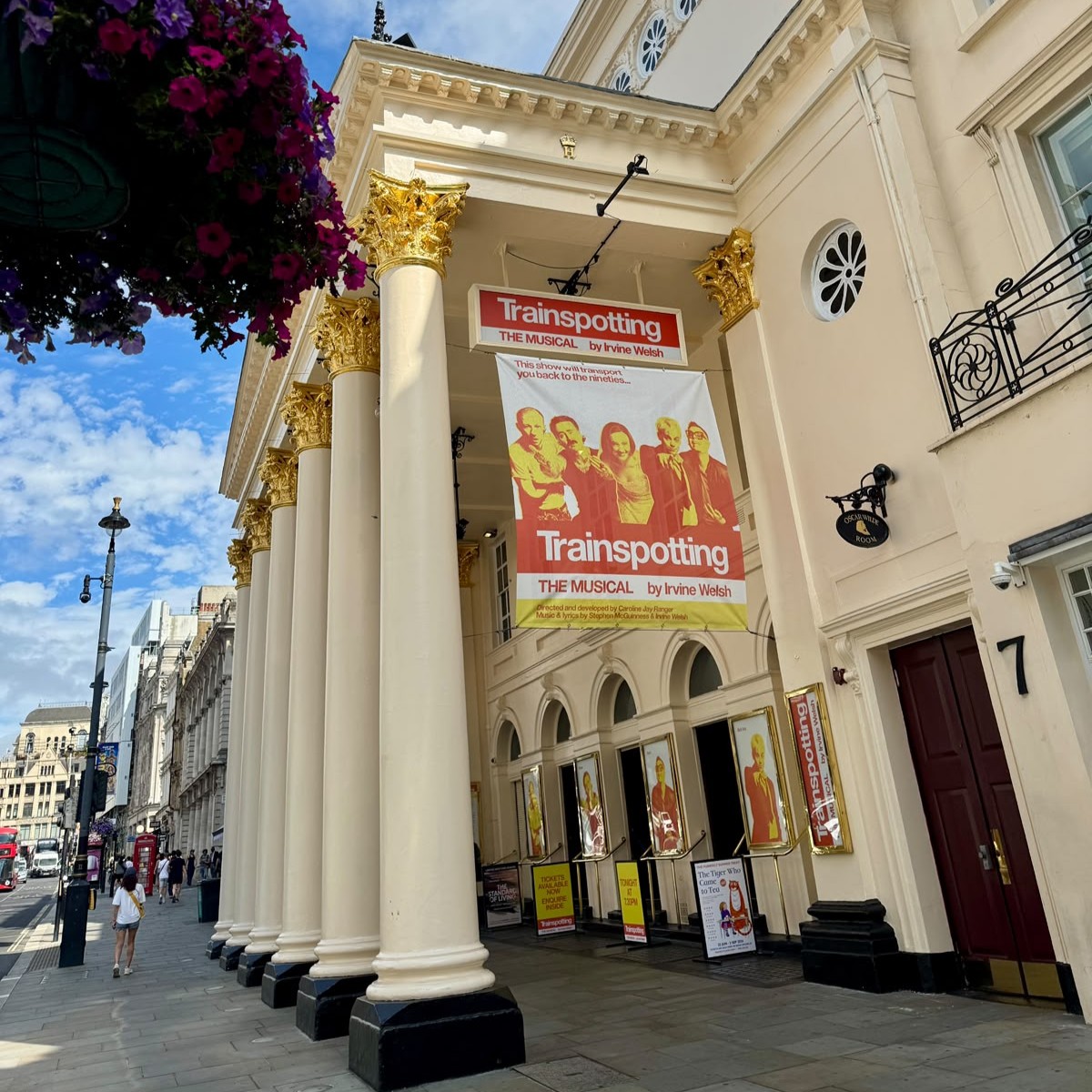
Coniston is part way through a programme of refurbishment work at the Theatre Royal Haymarket, helping to care for one of London’s oldest working theatres while the shows continue inside.
The first phase has focused on the theatre’s familiar front elevation, repairing the building fabric, restoring its decorative details and bringing the façade back to life.
A building with plenty of stories to tell
The Theatre Royal Haymarket has been part of London life since the early 1700s.
The original theatre opened in 1720. A century later, John Nash redesigned the building as part of his wider plans for Regency London, with the present theatre opening in 1821.
More than 200 years later, the Grade I listed frontage remains one of the Haymarket’s most recognisable buildings.
That history is one of the things that makes the project so interesting for our team. The theatre has never stood still, it has been altered, repaired and adapted many times, and our work is another small part of that continuing story.
Bringing the front back to life
The façade works have included masonry repairs, window refurbishment, decoration, new lighting and the restoration of the building’s gilded details.
As the team began preparing the frontage, it became clear that years of paint had built up across parts of the building. In many areas, those layers had started to hide the original mouldings and architectural details beneath.
Rather than simply applying another coat, the team carefully removed the unstable material and worked back to a sound surface. That extra preparation has helped reveal details that had gradually become invisible over time.
Specialist gilding has also been completed on the column capitals, theatre lettering, crest and decorative elements. The work was carried out by gilding specialist Janet Carey on behalf of Hugh Antony Interiors, using 23.5-carat gold leaf applied by hand.
Janet also invited members of the client and project teams to apply a small piece of gold leaf themselves. It was a lovely touch and gave everyone involved their own small connection to the finished frontage.
New LED strips and floodlighting have also been installed. Previously, only part of one lighting strip was still working. The new system covers several levels of the façade and will help the building stand out properly after dark.
Working around the shows
The Theatre Royal Haymarket has remained open throughout the work, so the programme has had to fit around rehearsals, performances, audiences and the day-to-day operation of the theatre.
During the summer, the team worked around performances of The Tiger Who Came to Tea, with families arriving throughout the day. Work also had to pause during rehearsals and the opening period for Trainspotting: The Musical.
The front of the building and scaffolding programme was carefully managed to make sure everything was ready for the new production.
Working in a live theatre means you cannot always choose the easiest or quickest working hours. Noisy activity must stop at set times and, on some days, the team has only had a short window before the next performance begins.
That has called for close communication between our team, the theatre and the specialist contractors. Everyone has had to understand what is happening both on site and on stage.
Getting to know the building
Historic buildings often reveal their full condition only once work begins. Some of the upper circular windows, for example, were originally designed to open and allow natural light into the theatre as rudimental spotlights. They were later blocked internally as the building changed.
Because the original putty had been applied from the inside, the windows could not simply be repaired from the exterior. They had to be carefully removed, worked on and then put back in place.
The roof has brought its own challenges. Existing rafters have needed strengthening to take the additional load of the new mansafe system.
Once complete, the system will give future maintenance teams a secure line to attach to when carrying out inspections, repairs or work to the lighting. It is the kind of improvement most people will never see, but it will make looking after the building safer and easier.
The next stage
With the first stage of the frontage complete, our work is continuing across the front and rear roofs. The next phase includes slate replacement, structural timber repairs, further window refurbishment, decoration, leadwork and completion of the new access system.
For our team, projects like this are about much more than completing a set of works. They are about understanding how a building has developed, looking after what makes it special and finding practical ways to support its future use.
The Theatre Royal Haymarket has been entertaining audiences for more than 300 years. We’re pleased to be part of its latest chapter and to help care for the building while the performances continue inside.
Thank you to Hugh Antony Interiors, Janet Carey and all the specialist craftspeople and contractors involved in the work so far.
The theatre’s full history is well worth exploring: